
The Thrill of Risk
The allure of risk is one of the most compelling factors that draws individuals into the vibrant world of casinos. Gamblers often seek the adrenaline rush that accompanies taking chances, whether it’s rolling dice, spinning a roulette wheel, or playing cards. This thrill can be tied to the release of dopamine, a neurotransmitter linked to pleasure and reward. As they engage in these activities, they may find that their desire to love casino online intensifies, leading to a euphoric high that reinforces their behavior, encouraging them to return for more. The excitement of risking money in hopes of winning big pushes many to overlook potential losses, reinforcing a cycle that keeps them coming back.
The psychological concept of loss aversion also plays a critical role in the thrill of risk. Gamblers often fear the pain of losing more than they relish the joy of winning. This can lead to irrational decision-making, as individuals may chase losses in the hopes of recovering their money. Instead of walking away after a loss, they may double down, ultimately leading to greater losses. This emotional rollercoaster can create a compelling narrative that intertwines their identity with the thrill of gambling, making it hard for them to detach from the experience.
Furthermore, the social environment of casinos amplifies this thrill. The buzz of excitement, the sounds of wins, and the camaraderie among fellow gamblers create an atmosphere that enhances the overall experience. This social reinforcement can lead to a sense of belonging and validation, making the highs feel even higher and the lows easier to endure. It is not just about the game; it’s about the entire experience, which can invoke a sense of adventure that is difficult to replicate in other settings.
The Role of Superstitions
Superstitions are deeply ingrained in the culture of gambling, influencing the behavior of many players. Whether it’s lucky charms, specific rituals, or believing in certain numbers, gamblers often rely on these beliefs to enhance their chances of winning. These superstitions provide a sense of control in an inherently unpredictable environment, allowing individuals to feel as if they can influence the outcome. For example, a player might wear a particular shirt or touch a lucky coin before placing a bet, believing that these actions will sway fortune in their favor.
Interestingly, the reliance on superstitions can also be linked to cognitive biases, where individuals attribute their wins to these rituals while ignoring the fact that losses also occur. This selective memory can reinforce their belief in luck and rituals, further embedding these superstitions into their gambling behavior. Consequently, even when faced with losses, a gambler may be unlikely to abandon their rituals, fearing that doing so could lead to even worse outcomes.
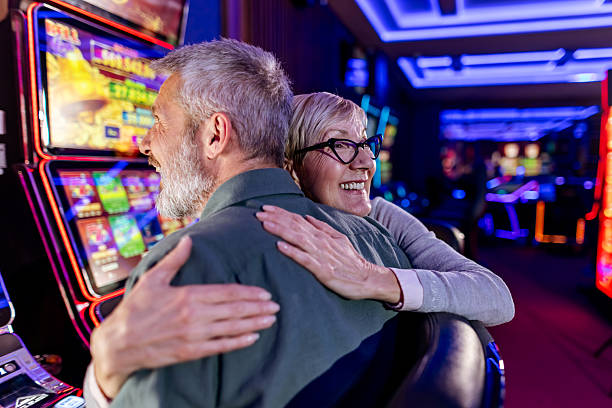
The effect of superstitions extends beyond individual players; it influences group dynamics as well. Gamblers often gather in clusters, sharing their beliefs and rituals, which can create a herd mentality. When group members witness someone win after performing a specific ritual, it can further validate their own beliefs and encourage them to adopt similar practices. This communal atmosphere can amplify the allure of gambling and solidify the connection between superstition and success, making the experience even more captivating for players.
Emotional Decision-Making
Emotions play a pivotal role in the decision-making process of gamblers. Many players make choices based on how they feel rather than relying on logic or probability. For instance, an individual who is experiencing a winning streak may feel invincible and opt to wager larger amounts, disregarding rational consideration of the odds. On the other hand, a player who has just incurred losses might play recklessly, hoping to recover lost funds quickly. This emotional upheaval can cloud judgment and lead to decisions that a more rational mind would avoid.
The interplay between emotions and gambling can also be seen in the context of escapism. Many gamblers turn to gaming as a means of coping with stress, anxiety, or personal issues. In these instances, the casino provides a temporary escape, allowing players to forget their problems and immerse themselves in a world where they can control outcomes, even if only for a short time. This coping mechanism can lead to compulsive behavior as they try to recreate those moments of euphoria or relief.
Cognitive dissonance is another psychological phenomenon at play, where gamblers struggle to reconcile their losses with their self-image. To justify their gambling, they may emphasize past wins, downplay losses, or even convince themselves that luck will eventually turn in their favor. This internal conflict can perpetuate a cycle of gambling, continuing to feed their desire for the thrill while simultaneously leading them down a path that may ultimately be destructive.
Social Influence and Identity
The social fabric surrounding gambling cannot be underestimated; it shapes behaviors and influences decisions in profound ways. Individuals who often gamble might do so within social groups where such activities are normalized or even celebrated. This social acceptance can strengthen their identity as a gambler, encouraging further participation in the activity. Group dynamics can foster an environment where the thrill of gaming is shared, magnifying the experience and reinforcing socially accepted behaviors.

Peer pressure can also play a significant role in the gambling experience. When friends or family engage in gambling, individuals may feel a compulsion to join in, regardless of their personal feelings toward it. This desire to fit in can lead to increased bets and riskier decisions, driven largely by the need for social approval. The social environment creates a feedback loop where the excitement of gambling is not just an individual pursuit but a shared experience.
As identities become closely tied to gambling, individuals may find it challenging to separate themselves from this lifestyle. In such cases, the stigma of being labeled a “gambler” can bring about negative self-perceptions, making it harder to step away from the tables. This association with gambling can create a cycle that is difficult to break, as individuals feel pressured to maintain their identity within their social circles, even if it conflicts with their personal well-being.
Concluding Thoughts on the Casino Experience
Understanding the psychology of casino gamblers provides valuable insights into not only individual behaviors but also broader societal trends. The combination of thrill-seeking, emotional decision-making, superstitions, and social influences create a complex web that defines the gambling experience. This knowledge can be essential for gamblers looking to gain self-awareness, enabling them to make informed choices about their gaming habits.
While casinos can offer entertainment and excitement, it is crucial for individuals to recognize the risks involved. Establishing personal limits and understanding one’s motivations for gambling can foster healthier habits. Ultimately, the journey through the enticing world of casinos should be about enjoyment and awareness, rather than being lost in the allure of risk.
For those intrigued by the psychological elements of gambling or seeking to understand themselves better in relation to their gambling habits, a wealth of information and resources is available. Websites dedicated to gambling education can offer insights into the psychological aspects of this activity, helping individuals navigate their experiences with greater clarity. Knowledge is power when it comes to managing the complexities of gambling, and the right resources can provide the guidance needed to maintain a balanced approach.